Image
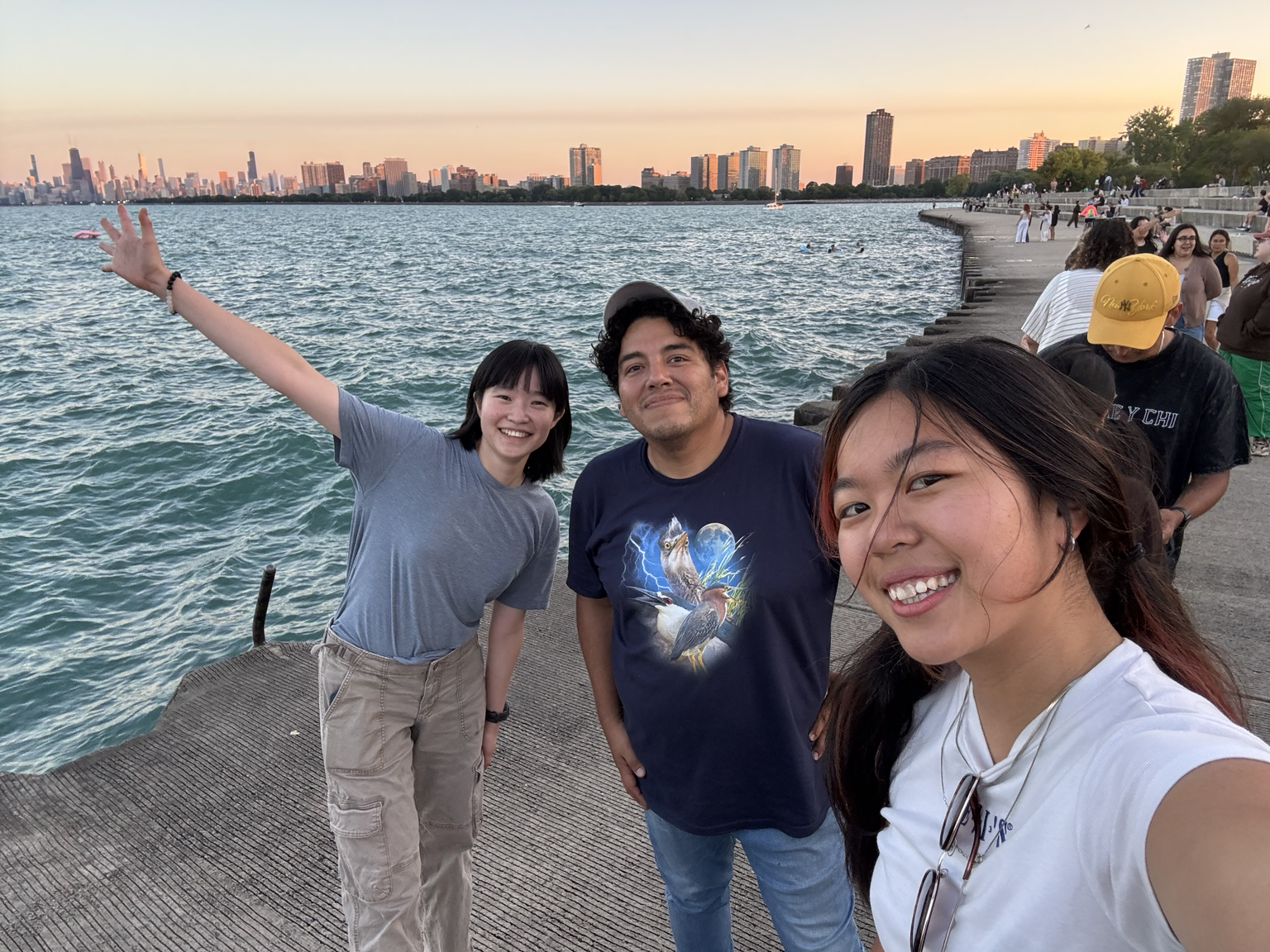
We strongly encourage students to engage in research experiences as undergraduates. There are opportunities all around you!
Seeking out research opportunities early in your college years enables you to explore your interests, link coursework content to real-world science, and develop technical and professional skills.
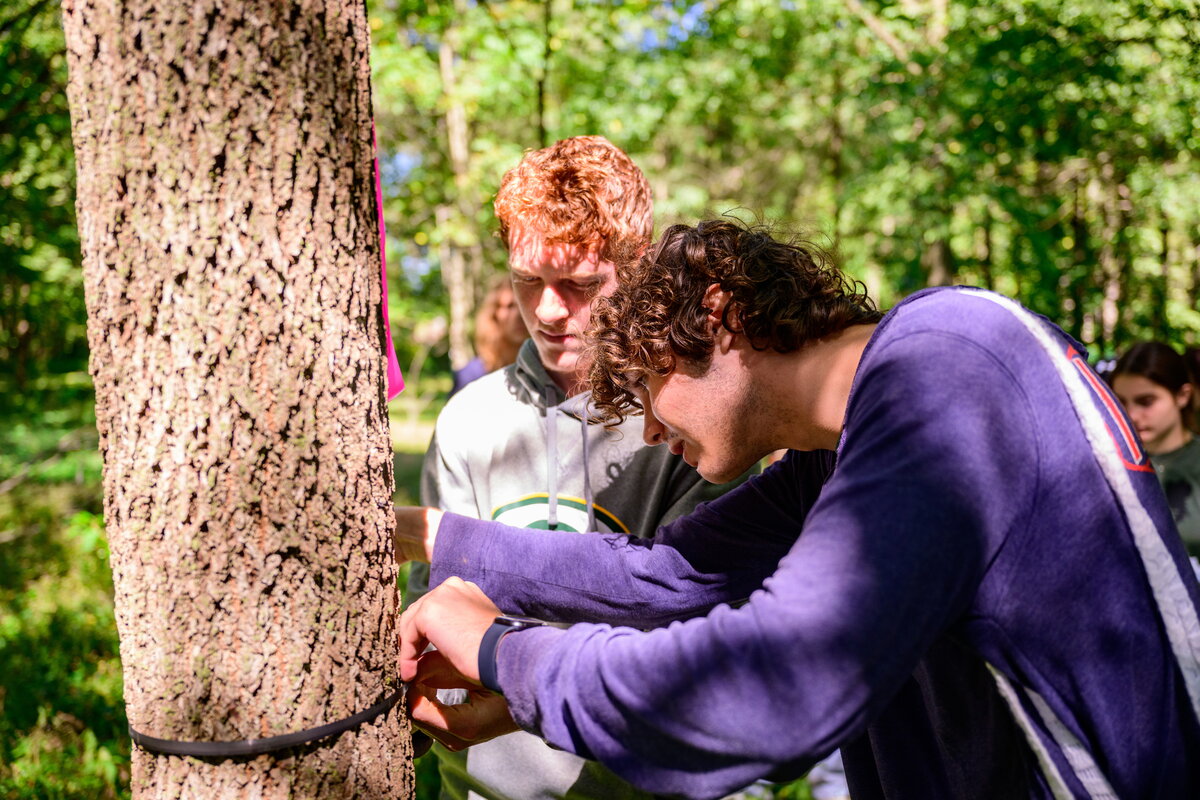
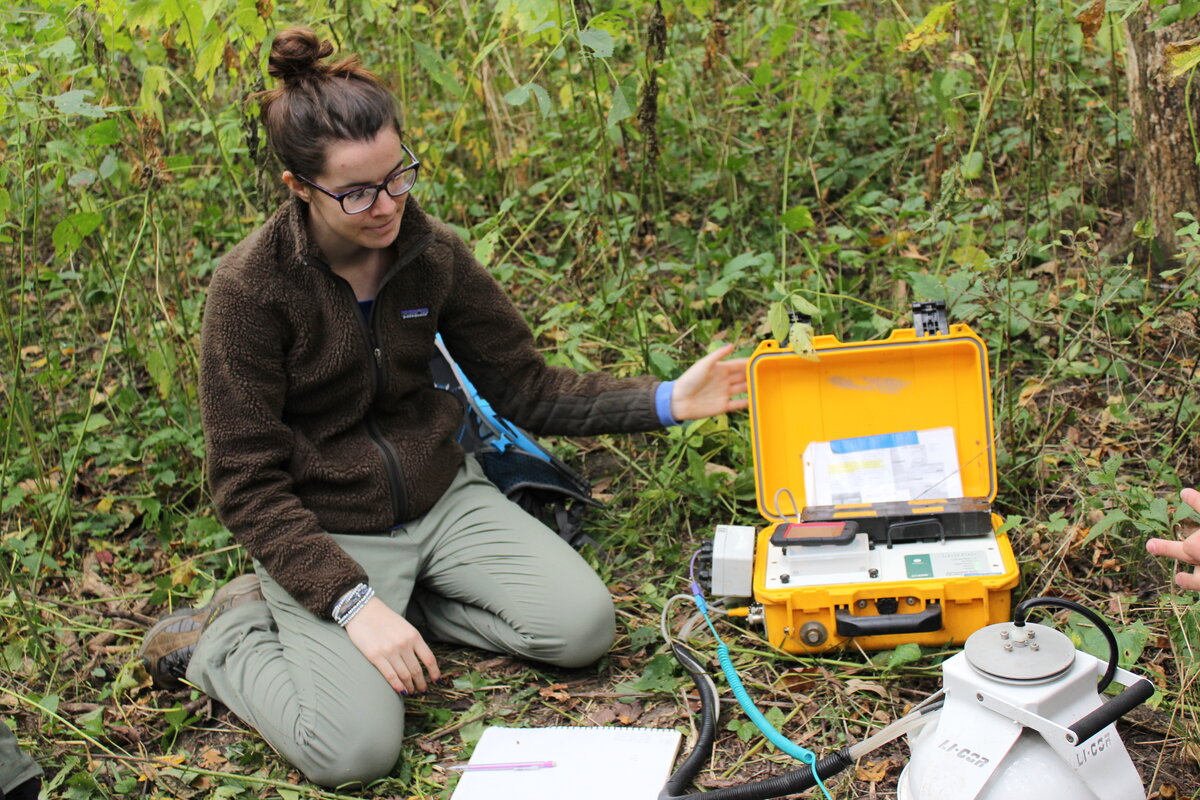
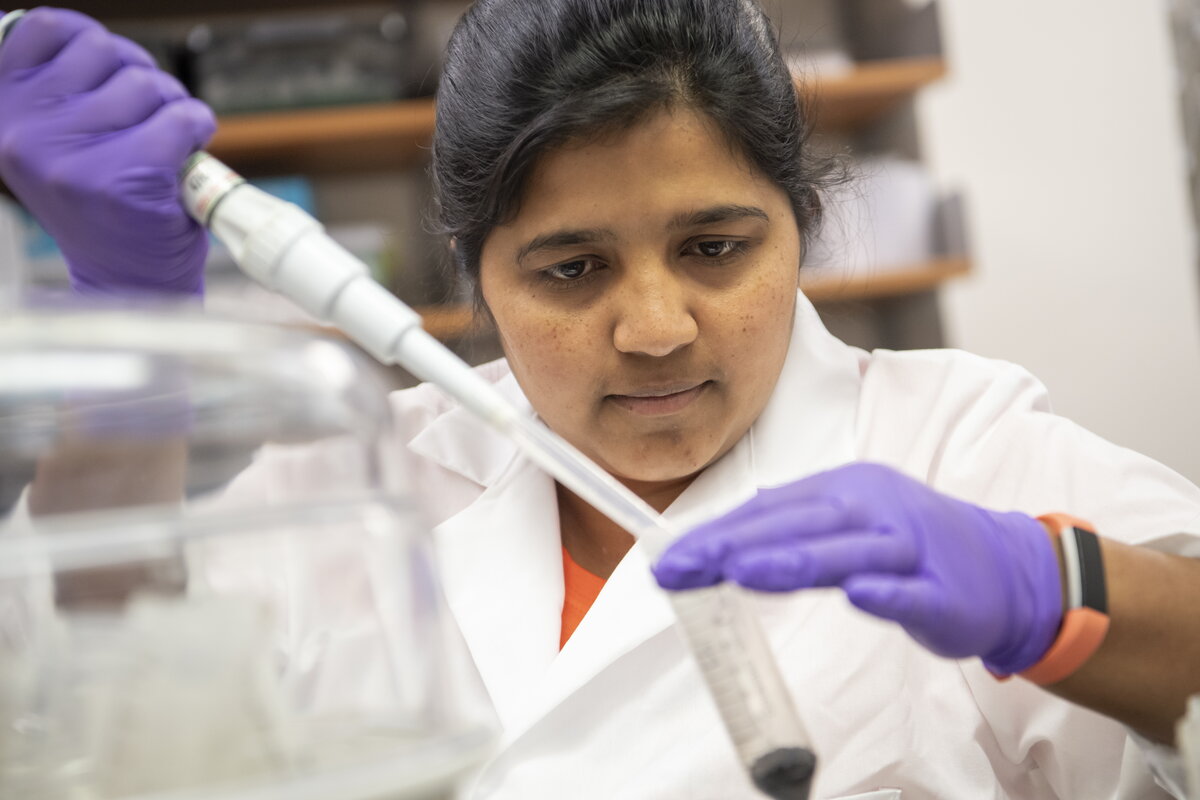
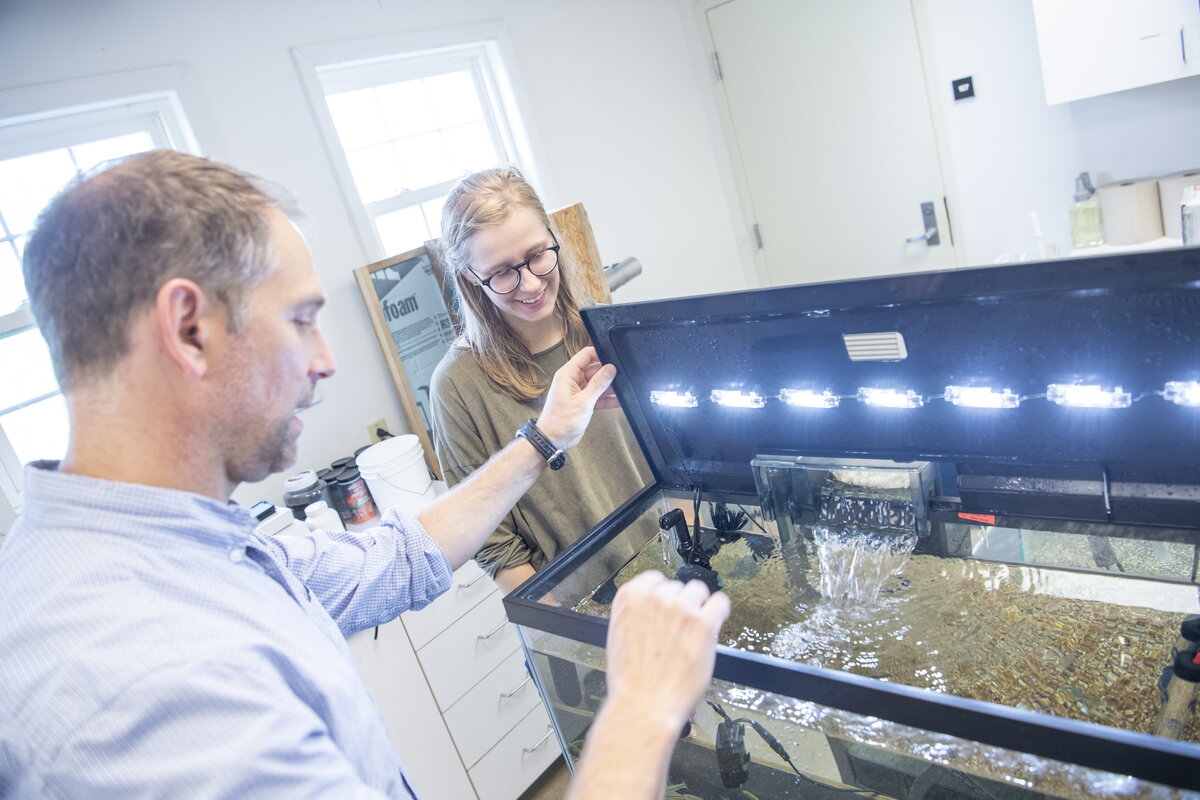
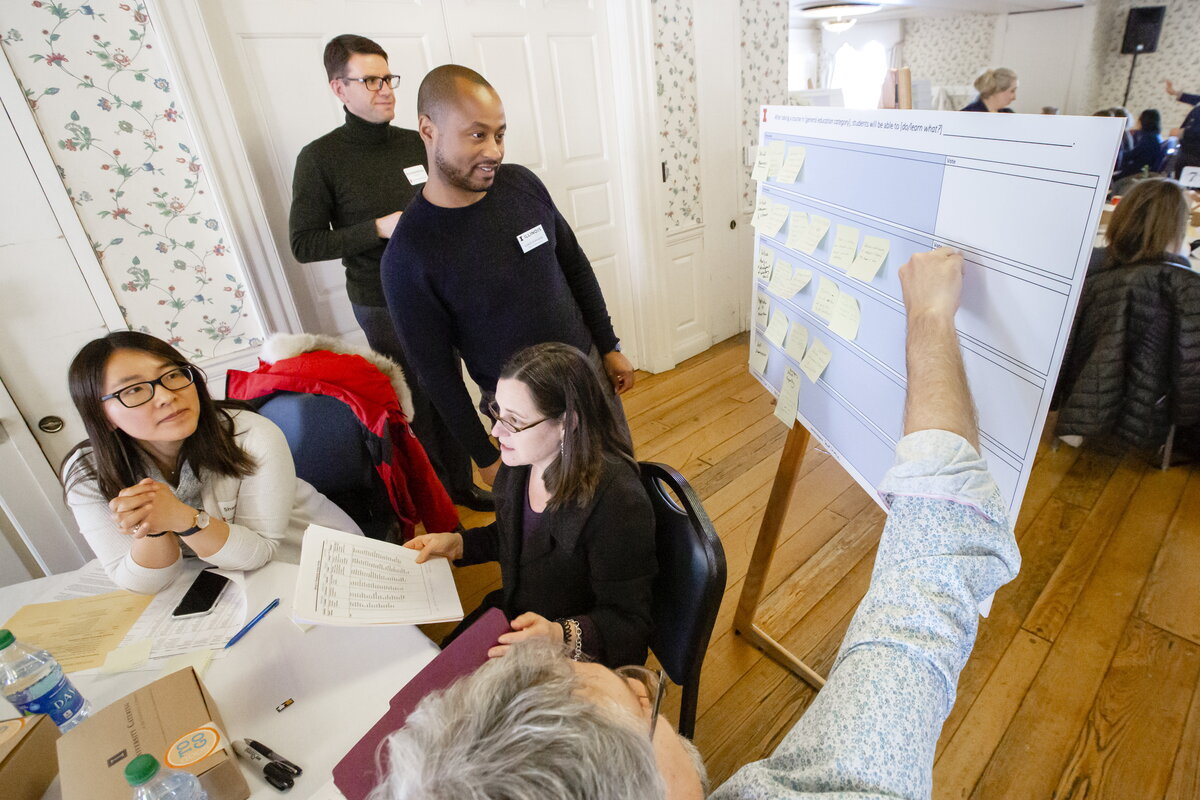
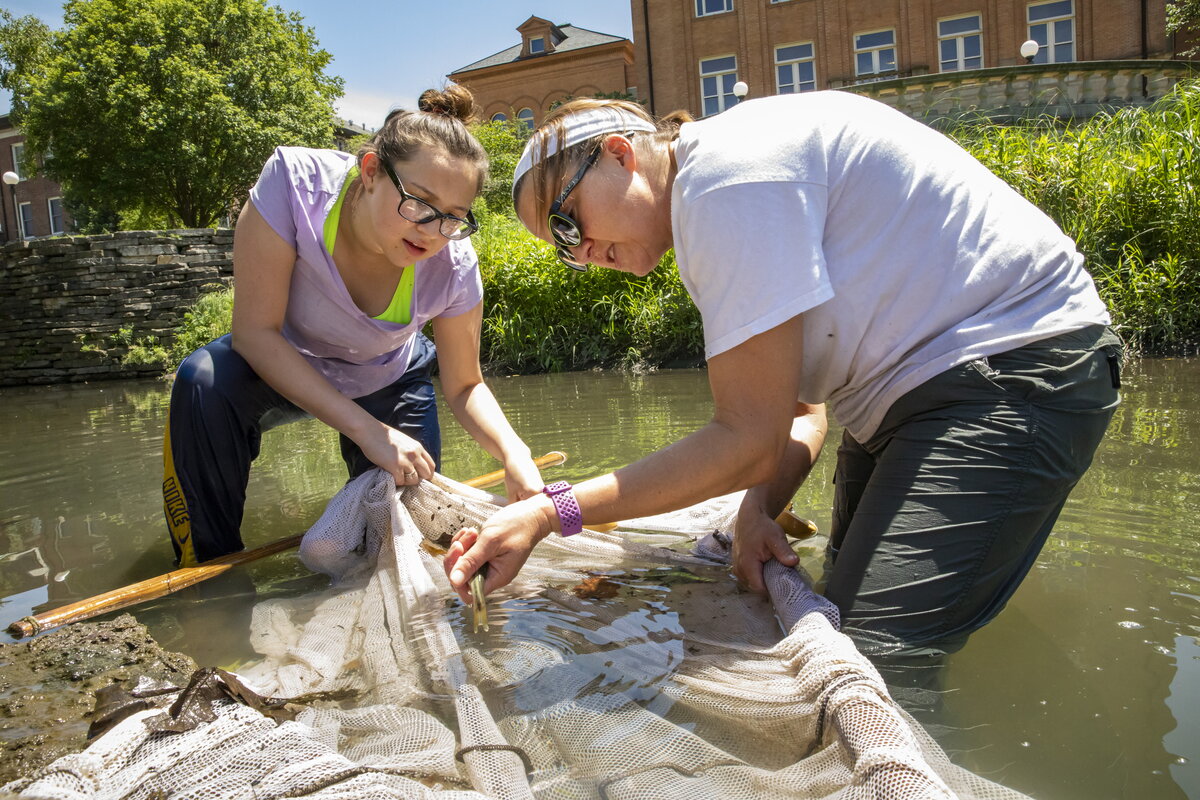
We recommend starting with ACES Resources for Undergraduates to learn how to reach out to a research mentor, find a position, and how to leverage your experience to advance your career:
ACES Resources for Undergraduates
NRES faculty and adjunct faculty often have room for undergraduates in their research, and they welcome your inquiries.
Explore the research area(s) of interest to you, look through the research pages of the faculty members in that area, and contact the ones that are a good match for your interests to find out more about their areas of expertise. Sometimes they will be able to hire you . . . . or (at first) welcome you as a volunteer or describe for you what it's like to do research in their areas of expertise.
Scientists at the nearby Prairie Research Institute (PRI) have opportunities for undergraduate students. Explore the web pages for the division/unit and the directories to find scientists working on research of interest to you. Sometimes they will be able to hire you . . . . or (at first) welcome you as a volunteer or describe for you what it's like to do research in their areas of expertise.
Reach out to the scientists directly or explore the posted opportunities:
PRI Internships & Undergrad Research
The units within the PRI are:
The Undergraduate Research Apprenticeship Program (URAP) offers undergraduate students with no prior research experience the opportunity to work with graduate students and post-doctoral scholars on their research projects.
Search through a wide variety of undergraduate research opportunities offered all over the country, posted by the campus Office of Undergraduate Research.
Learn about a wide variety of Research Experiences for Undergraduates (REUs), the Pathways to Science program, and more.
Once you have developed the skills to conduct your own research project, you can enroll in NRES 295 Undergraduate Research or Thesis. You can take up to 4 hours of 295 in a semester, and up to 12 hours of 295 can count toward your degree.
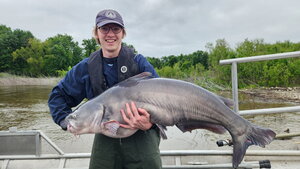
Adam Transue, Dr. Suski’s lab
"I gathered data ... collected fish ... aided researchers ... [and] participated in outreach events."
"Over the summer, I had the pleasure of working with Dr. Cory Suski’s lab investigating the movement patterns and bioenergetics of migratory fishes in the Midwest to inform improved fish passage design on the Mississippi River, as well as projects assessing thermal tolerance and preference in American Paddlefish.
As a part of these projects, I gathered data for a quantitative literature review on the ecology, behavior, and bioenergetics of migratory fish species, collected fish from large river systems via electrofishing, gathered biological and environmental data in the field and the lab, and aided researchers in the surgical implantation of acoustic telemetry tags. I also had the opportunity to participate in outreach events with the public showcasing native fish diversity, ecology, and collections science."
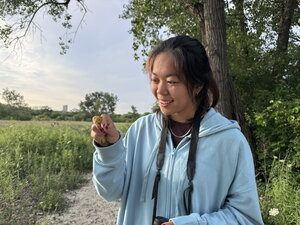
Arina Zhou, Dr. Van Doren's lab
"Beyond the technical and ecological side, I learned that research also involves a lot of communication and coordination."
"I had such a great experience working with the Van Doren Lab and Windy City Bird Lab in Chicago this summer. Since I usually work on the data analysis side, getting to actually visit our monitoring sites and learn about the hardware and how our data is collected gave me a much better understanding of the data I work with. I also got to see how much time and effort goes into fieldwork, which I really appreciated. Beyond the technical and ecological side, I learned that research also involves a lot of communication and coordination—especially when working with different collaborators and accommodating everyone’s schedules.
I’m really grateful for the experience and for everyone who took the time to teach me; I learned a lot that I wouldn’t have learned just by working with the data on my computer."
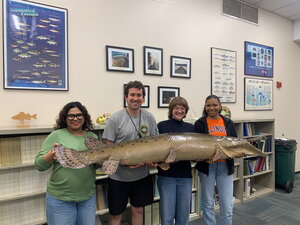
Charity Escobedo, Dr. van Riper's lab
"This was one of the most valuable learning experiences I had."
"This past summer, I completed an internship with Dr. van Riper as an undergraduate research assistant working with her lab’s fishing participation project. The project focuses on increasing urban recreational fishing participation in Illinois and Indiana. I had the opportunity to engage with developing research and communication skills by completing literature reviews on provisioning and recreational fishing related to the Great Lakes region, developing website content, and preparing detailed documents for science communication.
I also had the wonderful opportunity to travel with the internal research team to meet with and learn from technical and social experts in Chicago and Northwest Indiana about their insights on the social, historical, ecological, and technical dynamics of urban fishing in their respective locations. This was one of the most valuable learning experiences I had during the internship as it helped me contextualize these dynamics and understand how these influence the current fishing culture as it relates to different stakeholders.
Finally, yet importantly, I am deeply grateful for a supportive research team and especially to the Miller family for their gift award, which fully funded this incredible learning experience."
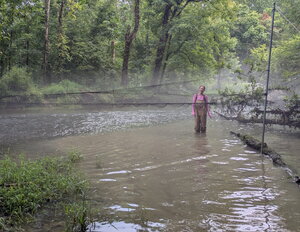
Sofia Bellisario, Dr. O'Keefe's lab
"These experiences have strengthened my confidence."
"This summer, I worked in the Human-Wildlife Interactions lab to assist in various bat research projects, from collecting data in the field to identifying species through echolocation calls. I have also had the opportunity to continue working on an individual research project on migratory bats for publication, which has greatly influenced my decision to pursue graduate school after graduation. These experiences have strengthened my confidence entering into these next stages of my early research career, and I am excited to share discoveries that lead to critical conservation of threatened species."
W-503 Turner Hall
1102 S. Goodwin Ave.
Urbana, IL 61801
Email: nres@illinois.edu